


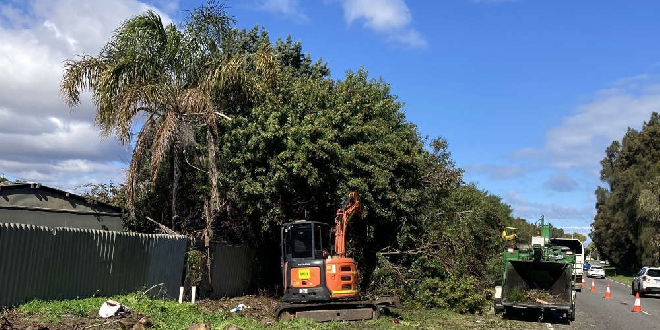
The City of Rockingham is working to eradicate an invasive tree across the community.
The Brazilian Pepper (Schinus terebinthifolius) tree was once considered an ornamental garden tree, but it now widely recognised as an invasive plant that spreads rapidly, making it a significant threat to bushland and wetland reserves.
It grows into a large shrub or tree that produces small bright red berries that can grow up to 5mm in diameter.
In residential yards, self-seeded plants can go unnoticed for years until they start to outcompete other plants.
At this point they may begin to form dense thickets that can cause damage to property such as paving, fences and other infrastructure.
City of Rockingham Mayor Deb Hamblin said the longer the weeds were left to establish themselves, the harder they are to remove.
“Due to the Brazilian Pepper’s prolific growth, it can quickly outgrow native vegetation by shading and smothering pre-existing plants,” Mayor Hamblin said.
“The weed is primarily found in wetlands, coastal sites, and some rural areas, with seeds spread by birds and small mammals.
“As the City works to remove the presence of the Brazilian Pepper from parks, nature reserves and streetscapes across the wider community, we encourage residents to also remove any instances of this weed from their own property. By working together we can help to rid the City of this environmentally damaging weed.”
For further information visit Verges and Gardens on the City’s website.

The Brazilian Pepper was once considered an ornamental garden tree, but is now deemed to be an invasive plant that can outgrow and smother native vegetation. PIC: City of Rockingham
 Women injured in serious North Dandalup crash
 Daughter of man allegedly stabbed to death in East Rockingham pays tribute to father
 Peel Thunder claim fourth WAFL premiership
 Man dies after suspected stabbing in East Rockingham
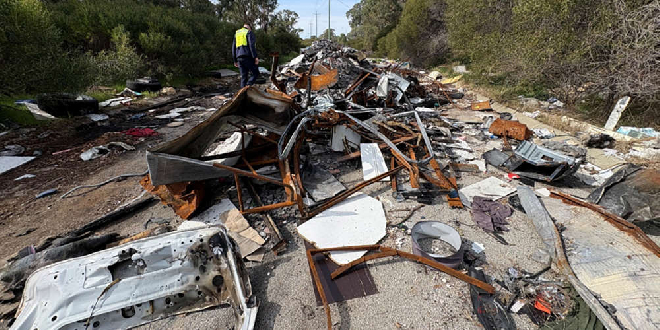 City of Rockingham cracks down on illegal dumpers
 Missing Mandurah girl found safe and well
 Police hunt for man who threatened staff with knife during Falcon armed robbery
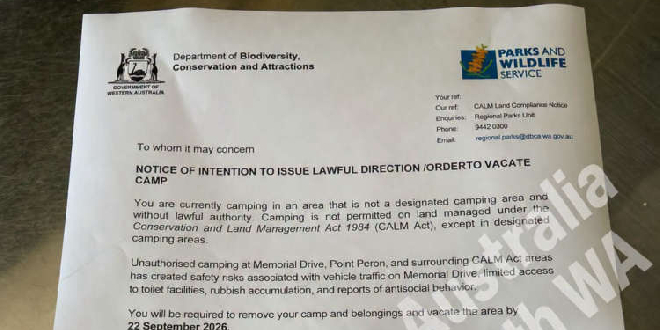 Authorities descend on Memorial Drive homeless camp, move on notices issued
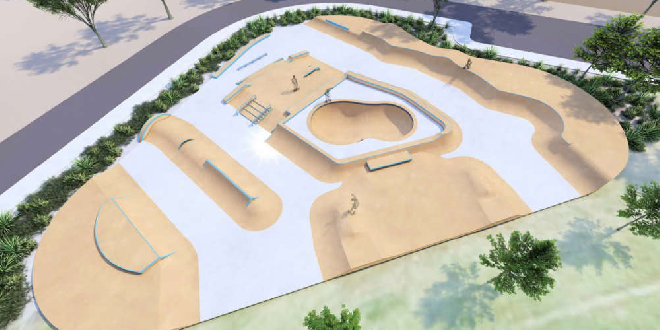 Locals asked to have their say on new concept designs for Lakelands Youth Park