


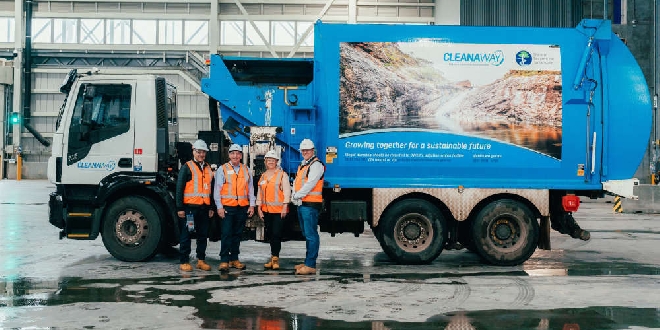
The Kwinana Energy Recovery Facility has officially started operations with its first delivery of waste from the Rivers Regional Council Group.
The facility, a first of its kind in Australia, is set to transform waste management and renewable energy production in WA.
By processing non-recyclable waste, the Kwinana Energy Recovery Facility is set to provide a sustainable alternative to traditional landfill disposal.
The facility has the capacity to handle up to 460,000 tonnes of waste annually and generate enough electricity to power approximately 55,000 homes each year.
It will also repurpose the ash produced from waste into construction materials, such as road base and building blocks.
This innovative approach is expected to significantly reduce carbon emissions, equating to the removal of about 85,000 cars from Perth’s roads.
Chairman of the Rivers Regional Council David Bolt highlighted the importance of the project.
“Whilst it had taken longer than anticipated to reach this point, the confidence shown by members of the Rivers Regional Council Group will ensure that there will be a substantial positive legacy for our Councils and Communities with substantial benefit over the long term from this innovative
project," he said.
“As well as significantly reducing their reliance on landfill disposal, the participating LGA’s will be able to make a step change toward achieving Zero Waste Objectives and the State Government’s landfill diversion target."
The Rivers Regional Council represents the Cities of Armadale, Gosnells, Mandurah, South Perth and the Shires of Murray, Serpentine Jarrahdale and Waroona.
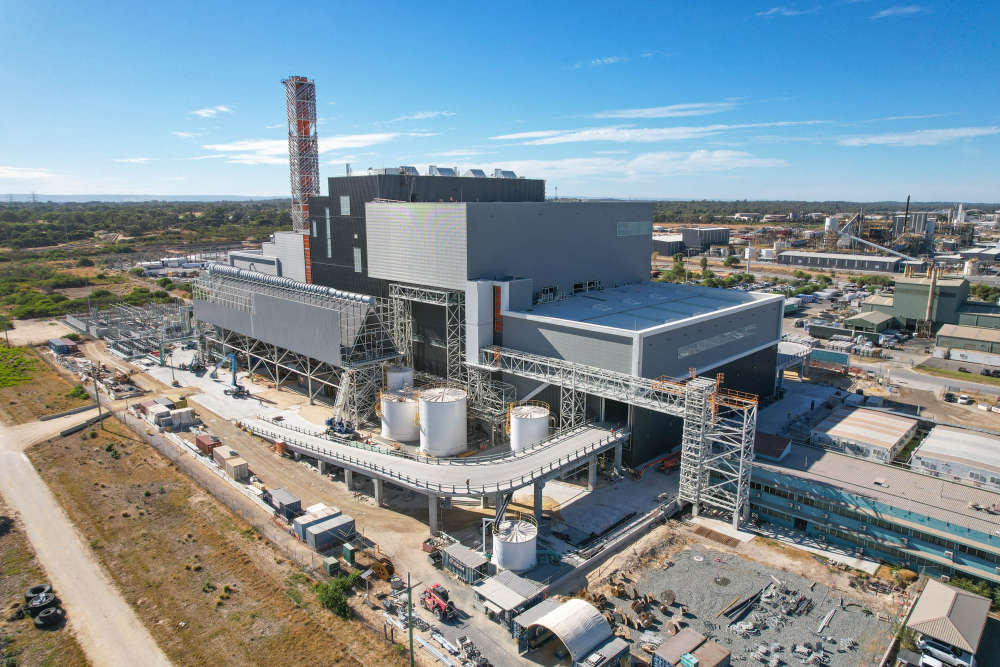
Kwinana Energy Recovery Facility
 Man dies after suspected stabbing in East Rockingham
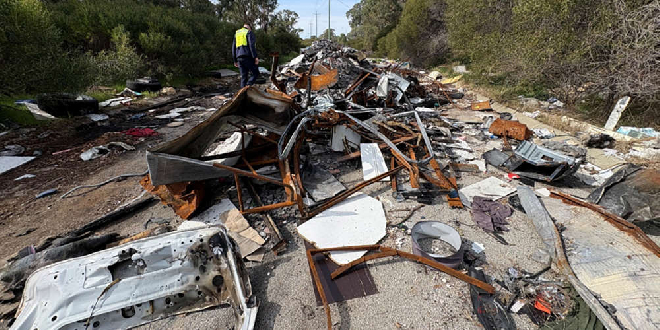 City of Rockingham cracks down on illegal dumpers
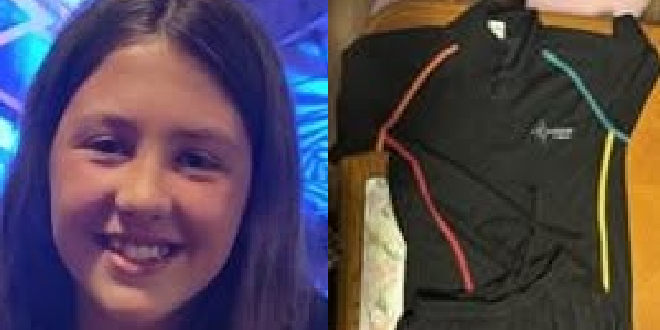 Missing Mandurah girl found safe and well
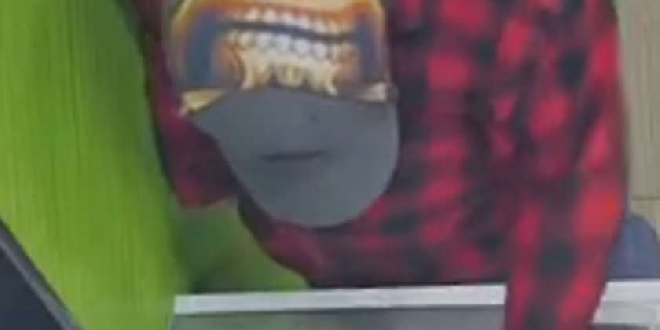 Police hunt for man who threatened staff with knife during Falcon armed robbery
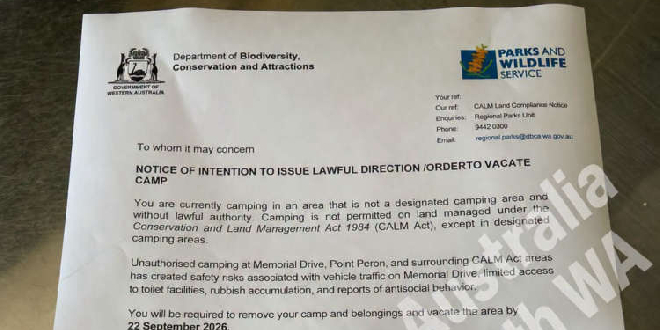 Authorities descend on Memorial Drive homeless camp, move on notices issued
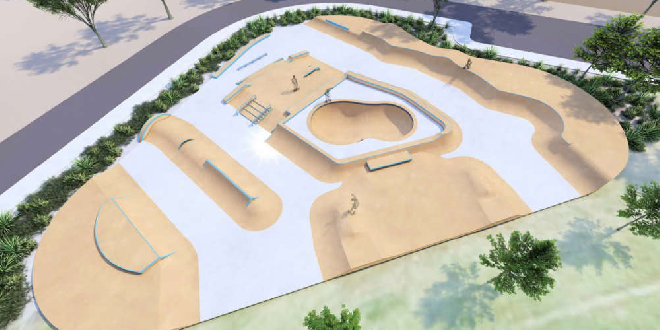 Locals asked to have their say on new concept designs for Lakelands Youth Park
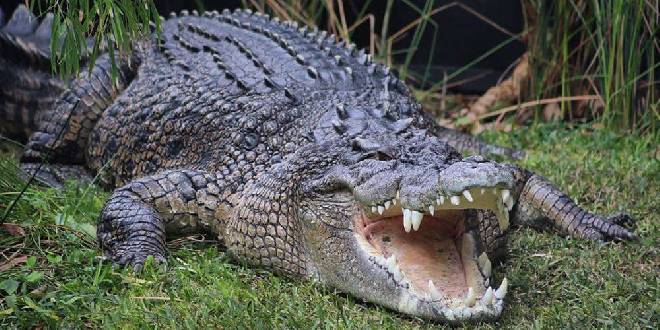 Baldivis boy one of two youths charged over Perth Zoo crocodile enclosure incident
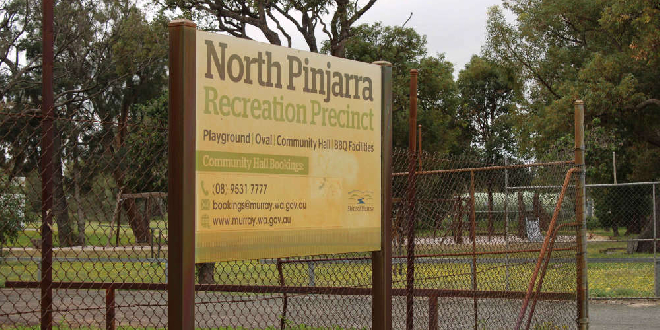 North Pinjarra community park and recreation centre to undergo $800k upgrade
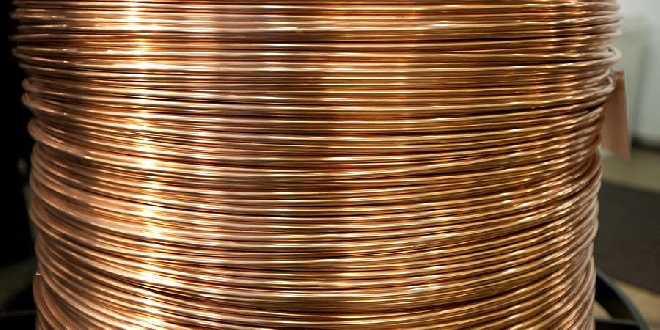 Cooloongup man charged with stealing 50m of copper cable